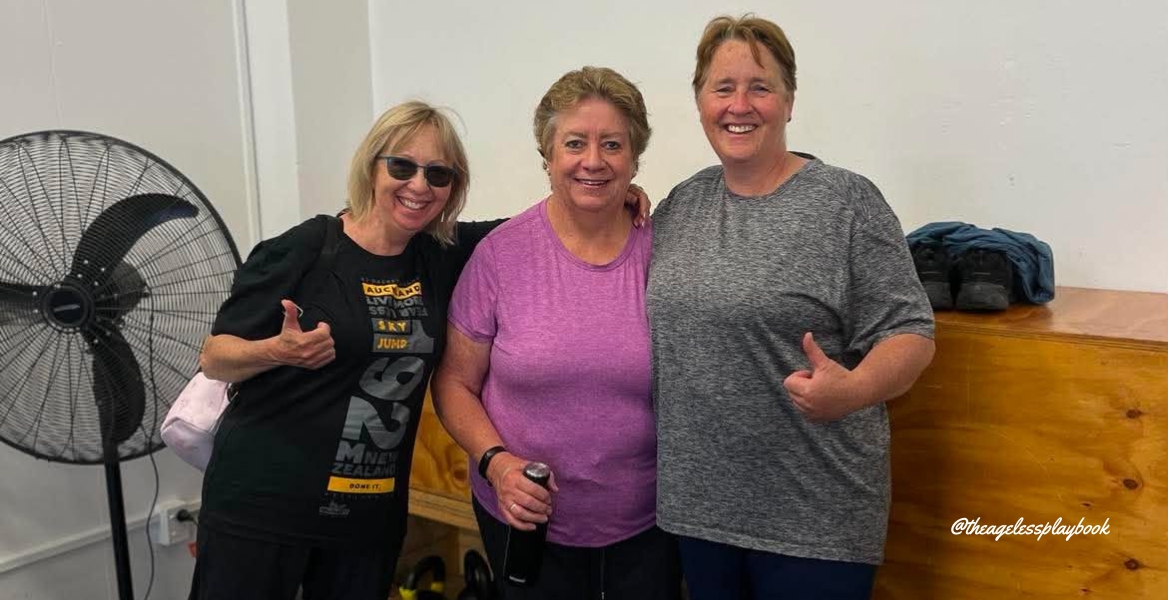
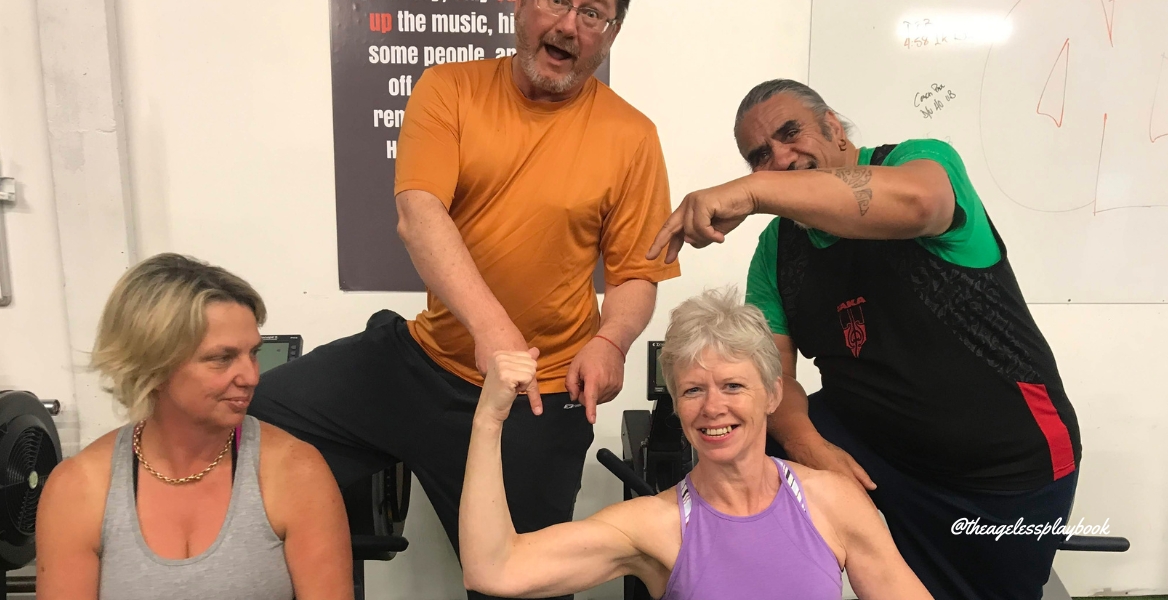
Last week ended with referrals starting to happen almost on their own, once people stick around for years because they feel genuinely known.
Here's what that something is — the last stage in this series.
Most coaches treat referrals as a separate system.
A bonus for the referrer.
A blanket email to the list asking if anyone knows someone.
A line on a poster near reception.
None of that works particularly well with this audience, for the same reason we hit on back at stage one: this audience doesn't knee-jerk purchase anything, and they don't knee-jerk refer anything either.
A transactional ask feels exactly as wrong to them as a transactional sales pitch did at the positioning stage.
Where referrals actually happen
We fold referral conversations into moments we're already celebrating with a client. Someone's just hit a goal, a strength number, a fitness test, whatever matters to them specifically.
In that moment, while the achievement's still fresh and the client's feeling good about what they've done, we ask if they know anyone who might benefit from the same experience.
Once a quarter, with each client. Always face-to-face, never a blanket email to the whole list asking everyone at once for referrals. The difference matters more than it sounds like it should.
An email asking the list for referrals is asking a favour. A question asked in the middle of someone's own win is an invitation to share something good, a different request even if the words are nearly identical.
Why this only works once the other four stages are right
This is the stage that exposes whether everything before it actually worked.
You can't manufacture organic referrals on top of a programme that's positioned wrong, designed wrong, coached by the wrong person, or failing to retain people past three months.
Referrals are the output of a strong offer, not a tactic you bolt onto a weak one.
If someone's had their language spoken to correctly from day one, been trained by a programme built for their actual physiology rather than a diluted version of someone else's, coached by someone who genuinely cares whether they succeed, and kept around long enough to feel truly known, they'll bring people with them.
The experience earned that, not the ask.
The programme does the marketing, once you've earned that
Here's the thing that surprises coaches looking for a referral system to install: there isn't one, not really. Once stages one through four are genuinely right, the programme does most of the marketing for you.
People who feel stronger, who feel welcome, who've made friends, who can see themselves still doing this in five years, they talk about it without being asked to.
Paid ads still matter. They keep the front door open and the waitlist fresh when organic flow isn't quite enough on its own.
But the weight is carried by the relationships, not the ads.
Closing the loop
That's the whole series.
Position it before you build it, because the language decides who walks through the door.
Design the programme for the actual physiology in front of you, not a diluted version of your normal offer.
Hire for character, because no certification teaches someone to genuinely care. Build retention through relationship, one remembered detail at a time, because that's what keeps someone for years rather than months.
And let referrals grow out of results rather than out of asking, because by the time you're at this stage, the first four have already done the real work.
Get the order right, and each stage makes the next one easier instead of fighting it.
Get it wrong, and you'll find yourself trying to fix retention with a referral bonus, or trying to fix positioning with a better coach, a bit like trying to fix a foundation problem by repainting the walls.
If you're building this now, or rebuilding something that isn't working the way you hoped, start back at stage one and work through in order.
It's slower than grabbing whichever tactic looks most urgent this week. It's also the only version of this that actually compounds.
If you want to start applying this properly, the First Conversation Workbook is the place stage one and stage two actually meet, the questions that tell you how to position what you're offering and how to design for the person actually in front of you, before you've written a single session.
Cheers!
Paul
(If you need help with your current 50+ programme, or the one you’re thinking about running, reply to this email and let’s have a chat.)