A coach raised a good question last week, about coaching people over 50.
Over the next few weeks, I'm going to lay out how we actually built our 50+ programme at Ignite, stage by stage, because the order matters more than any single tactic inside it.
This week is stage one, and it's the one most coaches skip entirely: position it before you build anything.
The mistake, in one sentence
Design the sessions first, figure out the marketing later. That's the instinct. The only problem is it puts the cart before the horse.
Not because of efficiency, but because of who you're actually talking to.
This audience doesn't kneejerk purchase anything.
They're not scrolling for the next shiny programme between two other tabs.
Someone in their late fifties who hasn't set foot in a gym in fifteen years has usually thought about it for months before they ever message you.
The language you use to describe what you're offering has to be right from the first sentence they read.
You don't get a second run at first impressions with someone whose caution has been driven by poor previous relationships with the fitness industry.
What actually lands, and what doesn't
Don't market it as exercise for seniors.
That word does more damage than people realise.
It puts the person in a category before they've even walked in the door, and it's a category most fifty-eight-year-olds don't privately think they belong to yet, whatever their knees are telling them.
Positioning should include:
- Staying strong, capable and independent as you get older.
- Travel without worrying about the walking.
- Enjoy working in the garden for an afternoon without paying for it the next three days. - - Carry your own groceries.
- Get up off the floor without it being an event everyone in the room notices.
- Play with your grandkids and keep up.
None of those outcomes mention a barbell, a rep range or a training block.
They're the actual reasons someone crosses the threshold. That's the language that needs to be sitting in your ads, your website copy and the first thing you say to a prospective client on the phone.
Show them someone who looks like them
The other half of positioning is who you put in front of the prospect before they've committed to anything.
If someone hasn't set foot in a gym in twenty years, walking into a room full of twenty-five-year-olds mid-set is genuinely intimidating. Not in an abstract way. Standing-at-the-door, considering-leaving-again intimidating.
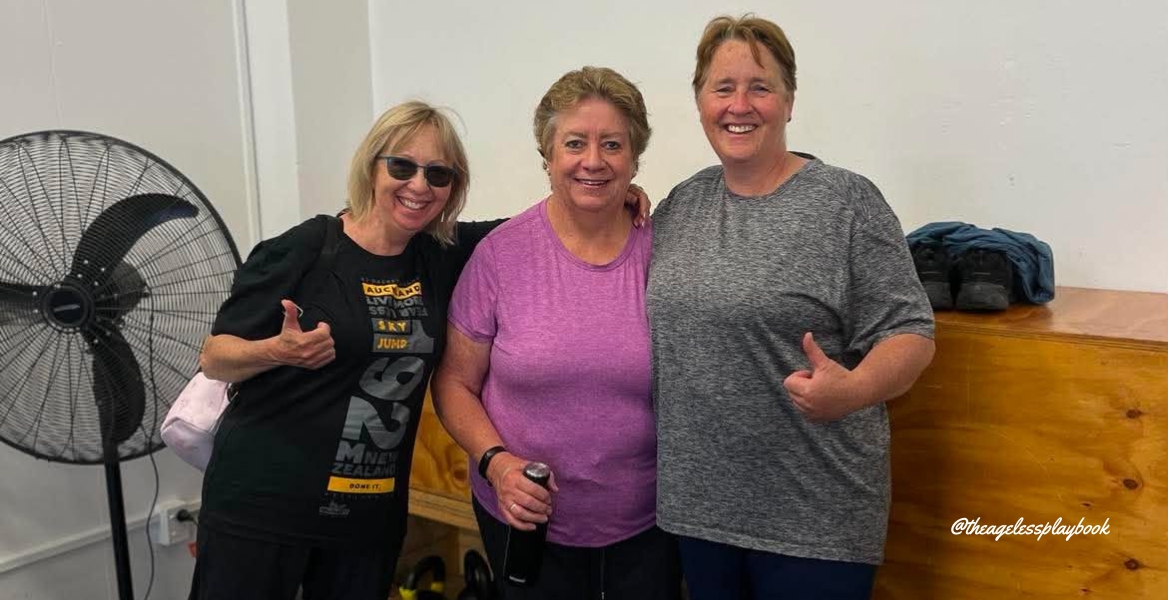
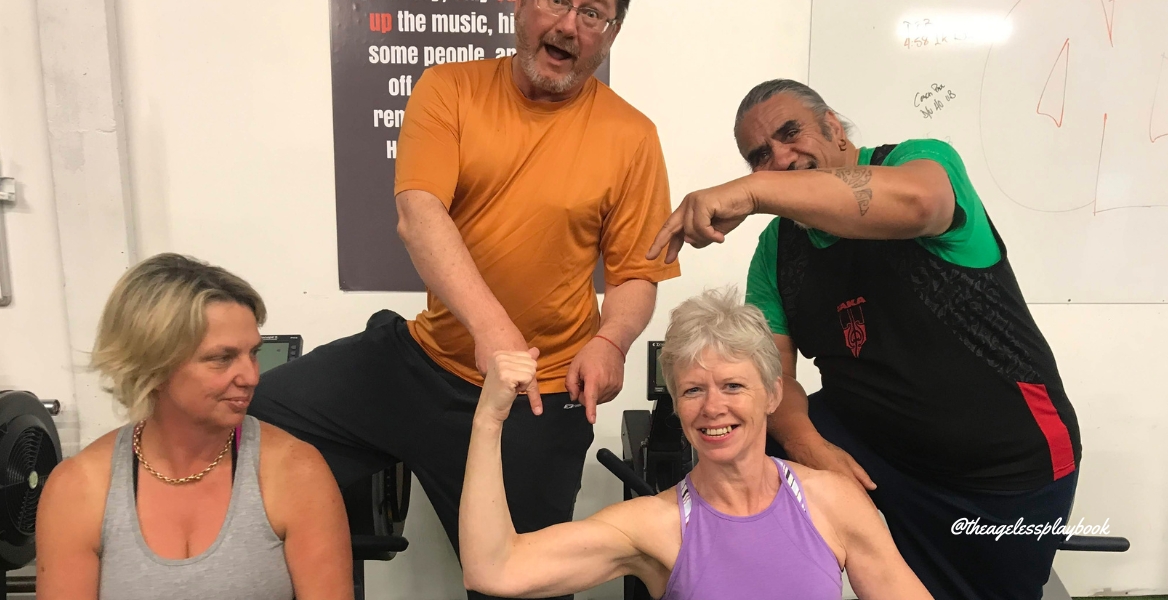
Seeing someone their own age lifting properly, working hard, having a laugh with the coach, makes the whole thing feel possible instead of foreign.
It answers the unspoken question before they've had to ask it out loud: Is this actually for someone like me?
A testimonial does that.
A video does that.
A photo on your website, a member story in your email.
None of it is there to prove the programme works. It's there to prove someone who looks and feels like they do is already in the room, and doing fine.
Why this has to come before the programme design
You can build the most physiologically sound, beautifully scaled 50+ programme in the country. It won't matter if the person it's built for never crosses the threshold, because your positioning spoke to a version of them they don't recognise. Or worse, one they're trying to avoid becoming.
Positioning gets someone through the door before any of the actual coaching gets a chance to do its work.
Get it wrong, and you'll spend money and energy attracting people who bounce off the first ad.
Or worse, attracting the wrong people entirely: the ones chasing a quick fix rather than the ones ready for a genuine relationship with their own training.
Where this leaves you this week
If you're building this from scratch, write down the actual outcomes your ideal client wants before you write a single word of ad copy.
Not "get fit."
The specific, unglamorous things: the flight to see grandkids, the garden, the stairs, the groceries.
Then find one real person, even if it's just one, who represents the transformation, and get their story or their face into what you're putting out into the world.
Next week, stage two: why you can't just take your normal programme and remove the barbell work, and why swinging too far the other way is just as costly.
If you're at the stage of actually building this out, the First Conversation Workbook walks through structuring that first proper conversation with a prospective 50+ client, getting the relationship started on the right footing before the programme even begins.
It comes in two versions - get your copy here
Cheers
Paul