You've positioned it right, built the programme for the physiology, and hired someone with the character to actually care.
That's three stages, and most coaches would call it done.
It isn't.
None of it keeps someone training with you in year three if the fourth stage is missing, and the fourth stage has almost nothing to do with programming.
Smaller and intimate beats big and busy, every time, with this audience
Battery hen fitness classes, twenty people, one coach, everyone doing the same thing at the same tempo, might work for a twenty-five-year-old who just wants to sweat for forty minutes. It doesn't work here. This audience will pay properly, and pay for years, for smaller sessions where someone actually knows who they are.
Not know of them. Know them.
One of our members had a previous gym experience that injured her doing box jumps, the kind of thing that makes someone quietly decide gyms aren't for her anymore. Eight months in, she told us she'd never been hurt here.
That's not a coincidence, and it's not luck.
It's what happens when the group is small enough for a coach to watch what someone's doing, session after session, rather than glancing over from across a room of twenty.
The mechanics are almost embarrassingly unglamorous
Here's the part that surprises coaches looking for a system to install. There isn't one. Retention at this level is built from things so simple they sound like they can't possibly be the answer.
Remember first names.
Remember what someone told you about their grandkids, their knee, their trip they've been planning for two years.
Be present in the session you're coaching, not mentally halfway into the next one.
That member I mentioned.
The coaches at her sessions know her granddaughter's name. Not because it's in a CRM field somewhere. Because someone was listening when she talked about her.
We still coach members who joined our very first 50+ programme back in 2017.
Ask what kept them, and none of them will describe a training methodology. They'll describe feeling known, consistently, over years, which is a different thing entirely from feeling well-programmed.
Community does work you can't programme in
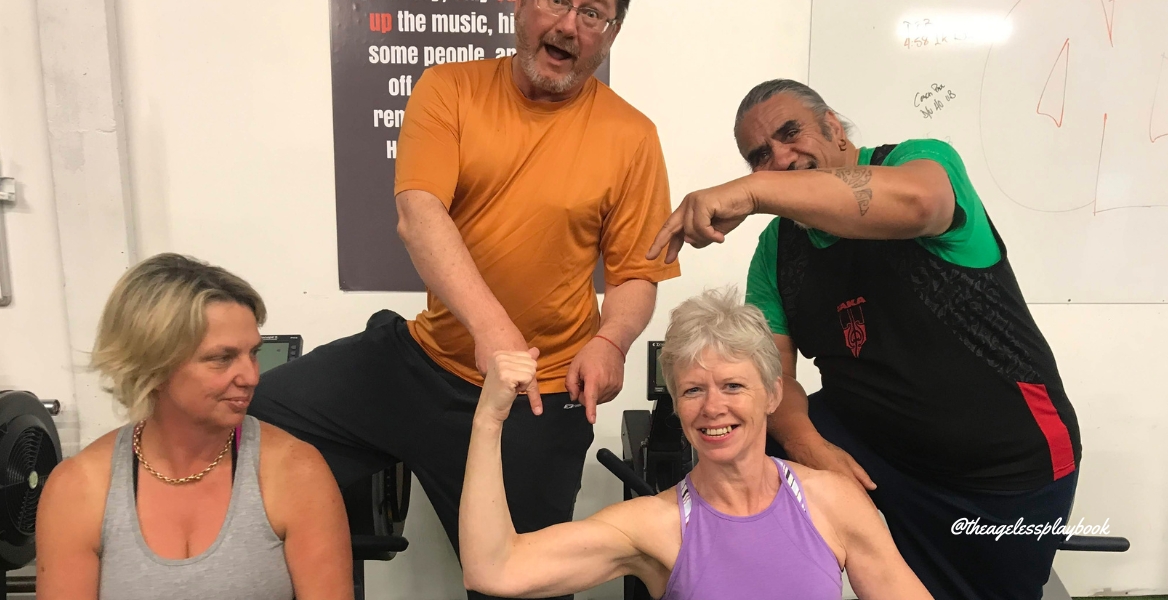
Once a small group has trained together for a while, something happens that has nothing to do with the coach directly. They start noticing each other. Someone's missing from Tuesday's session, and the group asks where they've been before the coach even checks the attendance sheet.
That social thread becomes part of the reason people keep turning up, separate from whatever's in the session that day.
You can't manufacture this by scheduling a social event or adding a WhatsApp group, though those things don't hurt. It builds because the sessions are small enough, and consistent enough, for people to become familiar with each other over months and years.
It's a byproduct of getting stages one through three right, not a separate initiative you bolt on afterwards.
Why this matters more than any retention tactic you could add
If you're looking for the lever that moves retention numbers in a 50+ programme, it isn't a loyalty scheme, a referral bonus, or a slicker onboarding sequence. Those things can help at the margins. The actual lever is whether the person walking in feels genuinely known by the coach and, increasingly, by the group around them.
That's harder to build than a system, because you can't shortcut it with a template or a piece of software.
It's built one remembered detail at a time, one session where you were present instead of distracted, repeated for years. It's slow to build, and that's exactly why it's so hard for anyone to copy once you've got it.
Where this leaves you
If you're auditing your own programme against this, the question isn't whether your sessions are well designed.
Assume they are, and that you've already worked through stages two and three.
The question is whether the person coaching them could tell you, off the top of their head, three personal details about each client in the room, and whether the client would notice if the coach couldn't.
Once you've got people staying for years because of this, something else starts happening on its own, which is where the series lands next week.
If you want the questions that help you start learning these details from the very first conversation, rather than piecing them together over months, the First Conversation Workbook covers exactly that.
Cheers,
Paul